

Your Ultimate Guide to Casino Games for Fun Players
A player sits at a blackjack table, feeling the rush as the dealer reveals a bust card. Casino games are structured contests of chance and skill, where you bet on outcomes like spinning reels or drawn cards. They offer the immediate thrill of potential payout for every correctly placed wager, turning a simple decision into a moment of high stakes. To use them, you simply choose a game, place your bet, and let the house rules determine your fate.
Understanding the Appeal of Modern Gaming Parlors
The appeal of modern gaming parlors lies in their deliberate transformation of casino games into curated social experiences. Players are drawn not just by the chance to win, but by the atmospheric immersion—low lighting, rhythmic soundscapes, and ergonomic seating that mimics a private club. The tactile feedback of a slot machine’s spin or the clatter of roulette chips creates a ritualistic tension. A seasoned visitor once told me,
The real draw isn’t the payout; it’s the moment the dealer’s hand pauses mid-air, and the whole room holds its breath for a second.
This shared anticipation, combined with digital interfaces that suggest near-wins and personalized pace, makes the parlor a stage where each casino game feels less like gambling and more like a narrative you control.
How Psychology Drives Player Engagement
Psychology drives player engagement through variable ratio reinforcement, where unpredictable rewards from slot machines and video poker trigger dopamine releases, making each spin or hand feel like a potential win. Near-miss outcomes, where symbols almost align, create a sense of skill and encourage continued play despite randomness. The sunk cost fallacy also compels players to chase losses, as they rationalize perseverance to recoup previously spent time or money. This emotional loop of anticipation, brief triumph, and regret maintains high engagement by overriding rational decision-making, directly leveraging cognitive biases to sustain interest.
The Shift from Physical Tables to Digital Screens
The shift from physical tables to digital screens replaces tangible chips and felt with touch interfaces and high-resolution displays. Players now engage with casino games through a seated console, using menu-based inputs for actions like betting or card holds instead of hand signals to a dealer. A clear sequence often defines this interaction:
- Select a game from a digital library displayed on the screen.
- Navigate on-screen controls to set a bet amount using virtual currency.
- Tap or swipe to trigger randomized results determined by a digital random number generator.
This transition removes the need for physical card shuffling or dice handling, substituting them with animated graphics and sound effects that simulate traditional gameplay.
Why House Edge Matters for Long-Term Play
The house edge is the statistical advantage built into every casino game, and for long-term play, it dictates the inevitable outcome. Over hundreds or thousands of rounds, variance evens out, and the edge ensures the player’s bankroll steadily declines. A game with a 0.5% edge, like blackjack with basic strategy, erodes funds slowly; a 5% edge on a slot machine accelerates losses dramatically. This makes bankroll longevity directly dependent on choosing lower-edge games. Q: Why does a 1% higher house edge matter over 10,000 bets? A: It will cost you an additional 100 units of your stake in expected loss, turning a manageable session into a guaranteed depletion.
Key Betting Activities and Their Mechanics
The croupier’s hand sweeps the felt, resetting the stage for the next spin. Here, placing a wager is the heartbeat of the action—you slide chips onto the pass line for a craps roll, feeling the table’s pulse as the dice tumble. In blackjack, the mechanic shifts to betting decisions: you double down on a hard 11, risking double your stake for a single draw, knowing the dealer’s face card shows a six. On the slots, it’s a silent pull of the lever or a tap of a button, each credit activating the reels’ random spin and locking in your potential payline. Every online casinos action—from checking a roulette split to raising a poker ante—directly manipulates your stake against the game’s fixed odds, turning a simple choice into a moment of calculated risk.
Slot Machines: Themes, Volatility, and Paylines
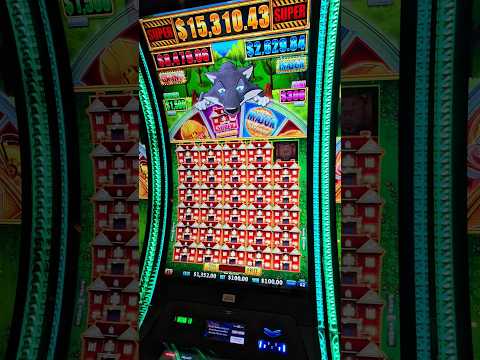
Slot machines hook players with themes ranging from ancient Egypt to movie blockbusters, but the real engine is volatility and payline structures. Low-volatility slots give you frequent small wins, while high-volatility games offer rare but massive payouts. Paylines determine winning combinations—classic machines might have 1 line, while modern video slots can feature 243 or even 1,024 ways to win. Here’s how they interact:
- Choose a theme you enjoy—it keeps the game fun.
- Match volatility to your risk tolerance (low for longer play, high for jackpot chases).
- Check payline counts; more lines increase bet costs but also winning chances.
Table Stakes: Blackjack, Roulette, Baccarat
In blackjack, the table stakes dictate the minimum and maximum wagers, directly influencing your bankroll strategy against the dealer’s hand. Roulette allows you to place chips on specific numbers or sections within a defined betting range, with table stakes on roulette often varying by the wheel version. Baccarat’s stakes are set for the Player, Banker, or Tie bets, with a fixed commission on banker wins. Understanding the table’s betting limits is essential before any hand or spin, as they restrict how aggressively you can play each round. These parameters create a structured environment for all three games.
Strategic Card Play in Poker Variants
Strategic card play in poker variants hinges on adjusting bet sizing and hand selection to the specific game structure. In Texas Hold’em, position-based hand ranges dictate whether to limp, raise, or fold from early versus late seats. Omaha Hi-Lo demands precise nut-drawing decisions, as half-pot bets protect low draws. Seven-Card Stud relies on reading exposed cards to determine when to check-raise or bluff on fifth street, where pot odds shift dramatically.

- In Hold’em, c-bet frequency must correlate with board texture, not just hand strength.
- Omaha requires avoiding marginal hands that split the pot, focusing bets on high-only or nut-low combos.
- Stud players exploit dead cards to steal antes with marginal pairs in early betting rounds.
Dice Games: Craps and Its Social Dynamics
In craps, the table layout creates a distinct social ecosystem, where players collectively bet on the shooter’s dice outcomes, fostering a shared rhythm of wins and losses. The game’s mechanics—like Pass Line and Come bets—bind participants into a temporary community, as chants and groans synchronize around each roll. This dynamic is central to craps social engagement, because the fast pace forces players to react together, amplifying tension and camaraderie. Unlike isolated slot play, craps thrives on verbal cues and eye contact, making the table a social hub that influences betting decisions.
- Players often rally behind a “hot shooter,” increasing side bets collectively.
- Newcomers learn betting patterns by mimicking experienced rollers at the table.
- Split-second decisions on odds bets rely on reading group reactions before the dice land.
Rules and Strategies for Common Wagers
In blackjack, the basic strategy is to always split aces and eights, never split tens, and stand on a hard 17 or higher. For craps, the pass line bet with maximum odds offers the lowest house edge, so avoid proposition bets. On roulette, stick to outside bets like red/black or odd/even for nearly 50% odds. A common question: “Why should I avoid the insurance bet in blackjack?” Because it carries a high house edge and only pays off when the dealer has blackjack, which happens less often than you think. For video poker, always play max coins to qualify for the royal flush jackpot.
Blackjack: Counting Cards vs. Basic Strategy
In blackjack, basic strategy and card counting serve different practical purposes. Basic strategy relies on a fixed chart to minimize the house edge to under 0.5% by dictating hit, stand, double, or split decisions based solely on the player’s hand and the dealer’s upcard. Card counting, by contrast, tracks the ratio of high to low cards remaining to identify opportunities for larger bets when the player has an advantage. While basic strategy is legal and usable at any table, counting cards is not prohibited but can lead to refusal of service by casinos. The key distinction is that basic strategy optimizes every hand, while counting shifts bet sizes to exploit favorable deck compositions.
- Basic strategy reduces the house edge to its minimum without tracking cards.
- Card counting requires keeping a mental running count to detect shifts in player advantage.
- Basic strategy and counting cards can be combined, but counting demands intense focus and practice.
- Counting is tolerated in many jurisdictions but often leads to casino countermeasures like shuffling more frequently.
Roulette: Inside vs. Outside Bets
Roulette bets split into two main groups: inside and outside bets, each offering a different risk-reward ratio. Inside bets cover specific numbers or small groups on the layout, like a straight-up bet on a single number, which pays 35:1 but wins infrequently. Outside bets target broader sections—red or black, odd or even, high or low—with nearly 50% win chances but lower 1:1 payouts. You can mix both types on the same spin to balance aggression with safety.
- Inside bets (e.g., split or corner) have higher payouts but lower odds of hitting.
- Outside bets (e.g., dozen or column) offer frequent wins but smaller returns.
- Pairing inside and outside bets can create a tailored risk strategy for your style.
Baccarat: Banker, Player, or Tie Options
In Baccarat, you’re simply picking between three wagers before any cards are dealt. Betting on the Banker or Player options is straightforward—you’re backing which hand will have a total closest to nine. The Banker bet carries a small commission due to its lower house edge, making it the statistically smarter choice for most players. The Tie option, meanwhile, pays much higher odds but hits rarely, so it’s more of a fun longshot. Stick mostly with Banker or Player for steady play, and treat the Tie as a occasional flutter when you’re feeling lucky.

Craps: Pass Line, Come Bets, and Odds
In craps, the Pass Line bet with Odds is the foundational wager, winning on a 7 or 11 and losing on 2, 3, or 12 on the come-out roll. Once a point is established, Come Bets function identically to Pass Line bets but are placed on subsequent rolls, with their own point number. Both bets can be backed by Odds, a supplementary wager taken at true odds with no house edge, making it the most favorable bet in the game.
- Pass Line bets are mandatory to start the game, paying even money before a point is set.
- Come Bets must be placed after the come-out roll and are resolved independently of the Pass Line.
- Odds are placed behind both bets after a point is established, paying true mathematical odds with no casino advantage.
Digital Innovations in Betting Environments
Digital innovations have reshaped the user interface of casino games, with real-time data overlays and haptic feedback systems now guiding wagering decisions directly on the screen. Live dealer streams now integrate interactive betting panels that allow you to adjust stake amounts and side bets mid-hand without disrupting game flow. These environments often feature dynamic betting limits that shift based on your session history and current volatility, a practical tool for bankroll pacing rather than a gimmick. Smart assistants embedded within the game client can also auto-suggest optimal bet sizing for specific blackjack deviations or roulette patterns, turning passive play into an analytically driven experience.
Live Dealer Experiences and Real-Time Interaction
Live dealer experiences bridge the digital gap by streaming a real human croupier directly to your screen, handling cards or spinning the wheel in real-time. This creates an authentic casino floor atmosphere where you interact via a live chat, placing bets through a responsive interface. The key advantage is real-time interaction with the dealer and other players, making decisions feel immediate and social. Every shuffle, deal, or spin is visible without pre-recorded outcomes, building trust and immersion.
- Chat with the dealer directly to ask for a card cut or a slower spin.
- Watch the physical handling of chips, dice, or cards for transparent play.
- Use in-game bonus bets and side wagers as the action unfolds live.
- Select from multiple camera angles to follow the shoe or wheel closely.
Mobile Apps and Optimized User Interfaces
Mobile apps transform casino games by delivering seamless touch-optimized interfaces for slots and table games. These interfaces adapt button sizes and gesture controls specifically for smaller screens, ensuring taps register precisely and swipes mimic physical card or chip movements. Native apps leverage device hardware for smoother animations and instant responsiveness, while portrait-mode layouts prevent accidental bets. Real-time screen rotation adjusts table views, and haptic feedback confirms each action, eliminating guesswork.
- One-hand-optimized layouts place betting controls within thumb reach
- Gesture-based navigation for quick switching between game lobbies
- Dark mode interfaces reduce glare during extended play sessions
Cryptocurrency Transactions and Anonymity
Cryptocurrency transactions in casino games provide a layer of anonymity not available with traditional banking, as deposits and withdrawals occur through decentralized wallets without requiring personal banking details. Users generate a unique wallet address for each transaction, enhancing privacy by masking identity from the casino operator. Blockchain-based anonymity ensures that while all movements are recorded on a public ledger, the link to a real-world identity remains obscured. This pseudonymity, however, does not equate to complete non-traceability, as transaction patterns can sometimes be analyzed. Q: Does using cryptocurrency guarantee total anonymity? A: No, it offers pseudonymity; your transaction history is visible on the blockchain, potentially linking to your digital identity through exchange records or wallet clustering.
Virtual Reality Immersion in Simulated Venues
Virtual reality immersion in simulated venues for casino games replaces traditional graphical interfaces with a spatial, navigable environment. Players physically turn their heads to look at a craps table or reach toward a slot machine, with haptic feedback reinforcing the tactile illusion of chips or cards. This multisensory engagement forces the brain to treat the simulation as a real location, heightening focus on game mechanics like dealer gestures or roulette wheel physics. The absence of visual distractions in the virtual room isolates the player’s attention more effectively than a physical casino floor. Full-body positional tracking ensures that leaning in to read a poker hand feels intuitive, not forced. **Q: Does VR immersion alter how players judge betting odds?** A: Yes—spatial audio and 3D representation of the table environment can subtly influence perceived risk by making virtual bets feel physically closer.
Managing Financial Risk and Play Time
Managing financial risk and play time in casino games requires setting strict, pre-determined limits before starting. Use a fixed bankroll split into session budgets to prevent chasing losses, and enforce a hard time cap using an external alarm, as in-game clocks can be misleading. A key insight:
Each spin or hand is an independent event; past results have no influence on future outcomes, so never increase bets to recover losses.
Divide your total bankroll into equal units per session; when that session’s funds are gone, stop playing immediately. Similarly, set a timer for breaks every 15–20 minutes to reassess focus and fatigue, since extended play degrades decision-making. Never extend play time or borrow from future budgets to continue a session.
Setting Loss Limits and Stop-Loss Rules
Establishing loss limits before playing is a core discipline, where you decide a maximum monetary amount you are willing to lose in a session. A stop-loss rule then enforces that cap: the moment your losses reach that predetermined number, all play ceases immediately, regardless of any urge to chase. This prevents a single bad streak from depleting your bankroll. Set these limits based on your disposable income, not on expected winnings. A table can help differentiate these concepts:
| Aspect | Loss Limit | Stop-Loss Rule |
|---|---|---|
| Definition | Fixed dollar amount for acceptable loss | Action to stop play when limit is hit |
| Example | I will not lose more than $50. | When my total loss reaches $50, I walk away. |
Bankroll Allocation per Session
Bankroll allocation per session involves dividing your total gambling funds into discrete, pre-calculated portions for each visit. A common method is the 5% rule, where you risk no more than 5% of your total bankroll in a single session. This ensures one losing streak does not deplete your entire budget, preserving capital for future play. The session’s allocation must also be tied directly to game volatility; a high-variance slot requires a larger per-session allocation (e.g., 10%) to withstand dry spells, while low-variance blackjack allows a smaller percentage. Always set a fixed loss limit within that session allocation, and stop once that limit is hit.
Bankroll allocation per session is the practice of dedicating a fixed, risk-adjusted portion of your total funds to each play session, preventing cumulative losses from any single outing.
Recognizing Chasing Behavior Patterns
In the context of casino games, recognizing chasing behavior patterns involves identifying a player’s escalating bet sizes or session lengths following a loss, specifically to recover that deficit. A key indicator is the loss-chasing spiral, where rational stop-loss limits are abandoned in favor of “double-or-nothing” tactics. This pattern often manifests digitally as a sudden increase in spin speed or refusal to take a break after consecutive losses. Practical markers include checking for a session time that exceeds pre-set limits or wagering amounts that have doubled from the original session budget. Recognizing this pattern requires isolating individual play sessions and comparing real-time actions against a predetermined risk budget, not overall lifetime wins or losses.
| Normal Play | Chasing Pattern |
| Bets remain consistent per session. | Bets increase immediately after a loss. |
| Session ends at a timed limit. | Session continues past a timed limit. |
| Losses are accepted as part of variance. | Losses trigger immediate bet increases. |
Responsible Features in Online Platforms
Responsible features in online platforms empower you to directly control your casino game engagement. Deposit limits cap spending before sessions begin, while reality check alerts interrupt play with time elapsed notices. Loss limits automatically halt betting after reaching a preset threshold, and cool-off periods offer temporary, self-imposed bans. These tools are not restrictions but player-controlled safeguards for sustainable play. For example, setting a 30-minute session timer prevents time-blindness. How do these features prevent impulsive decisions? By forcing a mandatory pause at your critical limit, they interrupt automatic behavior, giving you a deliberate moment to reassess and stop before chasing losses.
Promotions and Incentives for Participants
Casino games thrive on dynamic promotions and incentives that boost player engagement and bankrolls. Welcome bonuses typically match your first deposit, giving you extra credits to explore slots or blackjack. Reload bonuses offer consistent value on subsequent deposits, while free spins are tied directly to specific slot games, allowing risk-free play. Cashback deals refund a percentage of your net losses, softening bad beats. High rollers can negotiate personalized packages with higher limits and exclusive tournament entries. Loyalty programs convert every wager into points redeemable for cash, comps, or luxury experiences, directly rewarding your play frequency. Always examine wagering requirements attached to these offers to maximize real withdrawal potential.
Welcome Offers: Sign-Up Bonuses and Free Spins
Welcome offers, specifically sign-up bonuses and free spins, are designed to immediately boost your bankroll when you begin playing real-money casino games. A lucrative welcome package typically matches your first deposit by a set percentage, doubling your initial funds for slots or table games. Free spins are often bundled with this bonus, granting you risk-free rounds on selected slot titles. This gives you extended playtime and a genuine chance to win without additional out-of-pocket cost. Always review wagering requirements to understand how much you must wager before withdrawing any bonus winnings.
- Prioritize bonuses with lower wagering requirements for easier withdrawal of winnings.
- Use free spins on high-RTP slots to maximize potential return from your bonus.
- Check if the sign-up bonus applies to your preferred game categories, like slots or blackjack.
Loyalty Programs and Tiered Rewards
Casino loyalty programs transform casual play into a rewarding journey, where every spin or hand earns points toward exclusive tiered benefits. As you climb from Bronze to Diamond status, you unlock escalating perks like cashback on losses, expedited withdrawals, and personal account managers. Higher tiers often grant free tournament entries or bonus multipliers on slot play, making the grind feel purposeful. These programs use your wagering history to tailor rewards, ensuring frequent players feel consistently valued without static, one-size-fits-all bonuses.
Cashback on Net Losses
Cashback on Net Losses refunds a percentage of a player’s cumulative losses over a set period, typically daily or weekly, directly back to their account as bonus credits or cash. This promotion softens the sting of an unlucky session, reducing effective volatility for participants engaged in high-house-edge games like slots or roulette. The refund percentage often ranges between 5% and 25%, capped at a maximum amount, and may carry wagering requirements before withdrawal. Calculating the expected return of cashback requires factoring the game’s house edge and the refund rate to assess true value. Q: Does Cashback on Net Losses apply to all bets? A: Not always; terms commonly exclude certain games like live dealer or restrict low-margin table games such as baccarat.
Tournament Structures for Competitive Players
For competitive players, tournament structures transform individual casino games into strategic contests. A common model is the elimination bracket, where top-scoring participants advance through rounds until a champion emerges. The sequence is straightforward: first, a qualified entry pool is established, often via a buy-in or points accumulation. Next, registered players compete during a set window, with leaderboards updating in real time. Finally, the highest scorers progress to a final table or head-to-head showdown for the largest prize pool share. This structure incentivizes not just luck but timing—knowing when to bet big or conserve chips against escalating blinds in poker or score thresholds in slots.
Geography and Legal Factors Shaping Options
Where you live literally determines what blackjack or poker tables you can click on. Geography and legal factors shaping options mean that a player in New Jersey sees a completely different lobby than someone in Texas, because state borders dictate which online casinos can operate. Even within legal states, a county’s local laws might block daily fantasy or live dealer games, forcing you to switch providers. Your geography and legal factors shaping options also affect payment methods—some regions allow crypto for gambling while others ban it outright. Always check your local map before signing up, because the game you want might be just a state line away or completely off-limits.
Regulated Markets in the United States
In the United States, regulated markets for casino games are defined by state lines, meaning a game legal in New Jersey may be prohibited in Texas. This creates a patchwork where player options shift dramatically with each state border crossing. For land-based play, destinations like Nevada and Louisiana offer full casino floors, while other states restrict machines to riverboats or tribal lands. Online access is equally fragmented, with only a handful of states permitting real-money digital tables. Therefore, a player’s physical location is the single greatest determinant of available casino games, making geography the primary filter for participation within the regulated U.S. market.
European Licensing and Consumer Protections
When playing casino games under a European license, such as from the Malta Gaming Authority or the UK Gambling Commission, consumer protections include mandatory deposit limits and self-exclusion tools linked to your account profile. These bodies enforce player fund segregation, ensuring your money is held separately from operator accounts. Query: How does European licensing enforce fair play in casino games? Jurisdictions require certified Random Number Generators, with audit results published for consumer verification, and mandate clear terms for bonus wagering requirements to prevent misleading offers.
Asia-Pacific Regional Variations
Across Asia-Pacific, regional variations in casino games hinge on cultural preferences and local game rules. In Macau, baccarat dominates, often with lower commissions on banker bets, while Minibaccarat sees high traffic. Australian venues feature unique side bets on blackjack and Caribbean Stud Poker. Japanese pachinko parlors offer a distinct, mechanical-style experience with electronic slot adaptations. Most significantly, Asian-specific table game rules adjust payout structures for Sic Bo and Fan-Tan, integrating local numerology and betting patterns absent from Western iterations.
Asia-Pacific casino games are defined by region-specific rule sets, cultural game preferences, and unique betting structures.
Offshore Sites and Jurisdictional Risks
Playing on offshore sites means your chosen jurisdiction’s laws govern disputes, not your local ones. This creates recovery challenges for winnings if a payout is delayed. You’re betting on the site’s goodwill, as legal recourse often requires costly international action. Jurisdictional gaps can leave accounts suddenly frozen with no local regulator to complain to. Q: If an offshore casino shuts down, can I get my balance back? A: Usually not—without a local court order, your funds exist in a legal gray area with no enforcement mechanism.
Selecting a Reliable Platform for Wagering
When selecting a reliable platform for wagering on casino games, prioritize sites with proven payout speed and transparent terms. A trustworthy platform clearly displays its game return-to-player percentages and offers provably fair algorithms for digital titles like slots. Check that withdrawal methods are diverse and free of hidden fees, and that customer support responds within minutes, not hours. Avoid any platform that restricts your bankroll or delays verification unnecessarily. The most dependable casinos showcase their game libraries from top-tier software providers, which ensures consistent randomness and quality. Always test a platform’s mobile responsiveness and game load times, as a lagging interface signals poor infrastructure. Your confidence should come from tangible performance, not flashy bonuses.
Certifications from Independent Auditors
When evaluating a platform for casino games, certifications from independent auditors verify the integrity of Random Number Generators (RNGs) used in games like slots and blackjack. A practical sequence for verifying this involves three steps. First, locate the auditor’s seal or certificate, often found in the site’s footer. Second, confirm the auditor is a recognized testing agency, such as eCOGRA or iTech Labs. Third, cross-reference the certificate’s unique identification number on the auditor’s official website to ensure it is current. This process confirms that game outcomes are genuinely random and not manipulated by the operator.
Payment Speed and Withdrawal Policies
When you’re winning at casino games, you want your cash fast, not stuck in limbo. Fast payout casinos typically process withdrawals within 24 hours for e-wallets, while bank transfers can drag for days. Always check if the platform verifies your ID upfront, as delayed checks often hold up your first withdrawal. It’s worth reading the fine print on minimum withdrawal amounts, because small wins might be locked in until you hit a higher threshold. Look for policies that let you cash out winnings from bonuses quickly, without unreasonable playthrough delays.
Customer Support Channels and Availability
When betting on casino games, 24/7 live chat support is your lifeline for resolving deposit blocks or withdrawal snags instantly. Email works for non-urgent queries but often takes hours, while phone support offers immediacy only during peak evening slots. Always test response times by asking a simple question before depositing. Does a platform offer WhatsApp integration or a dedicated app help button? Does a platform offer WhatsApp integration or a dedicated app help button? Faster channels often signal a platform invests in player retention, not just flashy lobby design. Prioritize platforms that display multiple active channels—live chat, email, and phone—to avoid frustrating delays mid-game.
Game Library Diversity and Software Providers
The breadth of a platform’s game library directly reflects its commitment to player experience, hinging entirely on the roster of software providers. A diverse library from multiple top-tier studios ensures you avoid repetitive mechanics and have access to varied volatility and themes. When assessing reliability, prioritize operators featuring games from multiple top-tier studios, as this signals consistent payouts and fair RNG certification. To evaluate provider diversity effectively, follow this sequence:
- Check the site’s footer for a logo list of well-known developers like NetEnt, Playtech, or Evolution.
- Browse the slots section for high-volatility titles alongside low-variance classics.
- Identify exclusive games, which indicate a strong partnership between the casino and the provider.
