

He’s read thousands of studies about cannabinoids and other beneficial natural compounds, helping him translate complex science into plain language. However, CBD is best known for coming in the form of full-spectrum CBD oil and other hemp-derived wellness products. However, these effects seem to require large doses and are not well-studied in humans. However, these side effects are mostly minor and were only found in studies using large oral doses of pure CBD.
This means the cannabis plant essentially “chooses” a ratio of THC to CBD based on which enzymes are active, which is why selective breeding scientific discoveries involving medicinal plants can shift a cultivar toward high-THC (psychoactive) or high-CBD (non-psychoactive) profiles. Both compounds are biosynthesized from the same precursor in the cannabis plant, cannabigerolic acid (CBGA) — which breaks down into THCA and CBDA under enzymatic action. The ECS plays a regulatory role in dozens of physiological processes including mood, memory, appetite, pain perception, immune function, sleep, and reproductive health.
CBD products may work better if you’re searching for more of a body-focused experience. Your colleagues at work are psychoactive because they make you feel either good or bad around them. CBD can improve your response to daily stressors — making it easier to manage situations that would otherwise drive you nuts.
This interaction is part of why many cannabis products are now marketed with specific THC-to-CBD ratios. CBD alone doesn’t change this pathway at all, but in combination with THC, it effectively neutralizes THC’s ability to trigger those anxious, paranoid feelings. CBD and THC are the two most abundant active compounds in the cannabis plant, and they share an almost identical chemical formula. The owner of this site is using Wordfence to manage access to their site.
When undergoing drug testing for employment (military duties), or sports, it is important to recognize that unregulated CBD products pose a significant risk of an unforeseen positive outcome. A person may experience relaxation with lower doses, whereas higher amounts could provoke feelings of anxiety or paranoia. According to CBDfx, the gummies can assist in promoting relaxation, mood enhancement, and overall wellness, with effects typically noticed between 30 minutes and 2 hours. While some individuals may enjoy the effects of THC in small quantities, larger doses or consumption by sensitive individuals can heighten feelings of discomfort. In everyday language, many individuals characterize CBD as stabilizing or balancing, which can be beneficial in calming an active mind or softening the impact of a THC-dominant product for a milder experience.

Nevertheless, complications arise because FDA designates CBD as a pharmaceutical drug, which complicates its potential sale marketed as a dietary supplement—posing predicaments for both consumers and producers within this realm. By controlling vomiting and nausea linked with oncological therapies, it becomes a pivotal element in medical cannabis treatments designed to aid patients facing such distressing effects. Its pain-relieving qualities also make it an indispensable treatment choice for those suffering from chronic conditions that bring about substantial discomfort.
Your best fit depends on your goals, format preference, and personal response—so go slow, take notes, and adjust until it consistently feels right. For some (especially THC-sensitive folks or anyone combining THC with strong caffeine), too much can feel racy or uneasy. At low to moderate amounts (THC can feel light), social, or creative; as the sum climbs, it often becomes heavier or sleepier. Explore lifestyle hacks, how-to guides, and the latest in cannabis news. Our services help patients across the U.S. use medical cannabis safely (legally), and with confidence. The first Sunday The first Monday The first Tuesday The first Wednesday The first Thursday The first Friday The first Saturday The first day The first weekday
An Overview of CBD and THC
Understanding the differences between THC and CBD is crucial for making informed decisions about the use of medical cannabis. For those seeking wellness improvements through either medical or recreational avenues, both CBD and THC present optimistic opportunities for enhancing overall quality of life. To summarize (the two primary compounds of interest in the cannabis plant), CBD and THC, provide distinct yet synergistic health benefits. Research is currently exploring how CBD might play a role in lessening oxidative stress and neural inflammation observed in Alzheimer’s disease cases. The insights gleaned from such studies will aid in refining dosing guidelines while pinpointing any possible hazards, thereby facilitating secure yet efficacious medicinal application. The safety considerations of CBD and THC play a vital role in their medical applications.

THC has irreplaceable clinical roles in severe pain, chemotherapy nausea, and certain neurological conditions — under appropriate medical supervision. Both cannabinoids have real, documented therapeutic value, just for different conditions and different populations. THC can produce dependency , in approximately 9% of all users,, impairs cognition and coordination, increases psychosis risk in vulnerable individuals, and suppresses REM sleep with chronic use. Full-spectrum CBD contains trace THC (up to 0.3%) that could theoretically accumulate at high doses. A major 2025 JAMA review of 2,500+ studies found medical cannabis (primarily THC) does not effectively treat anxiety disorders and may worsen outcomes.
For a deeper dive into how different consumption methods compare, our cannabis consumption methods guide breaks down onset, duration, and intensity across smoking, vaping, edibles, tinctures, and topicals. A 2 mg edible will feel completely different from a 25 mg edible, and smoked flower hits within minutes while edibles take 30–90 minutes to kick in. Cannabinoids are a family of chemical compounds produced naturally by the cannabis plant.
You can read with confidence, knowing real professionals stand behind what you see here. Writing for LeafyRX lets me share knowledge (inspire wellness), and make every word count. I love turning complex information into something simple and useful for everyone. I’m passionate about creating clear — meaningful, and helpful content that makes a real difference.
THC and CBD both have incredible medical benefits (which is why medical cannabis is beginning to see legalization), in the US. Cannabinoids are chemicals that are naturally found in cannabis plants. Still (even if you use a lab-tested full-spectrum CBD oil), you shouldn’t get a false-positive result for THC on a drug test unless you take around 1900 mg of CBD daily. You can buy hemp-derived CBD products all over the U.S. (from pharmacies to specialty stores), vape shops, and wellness centers.
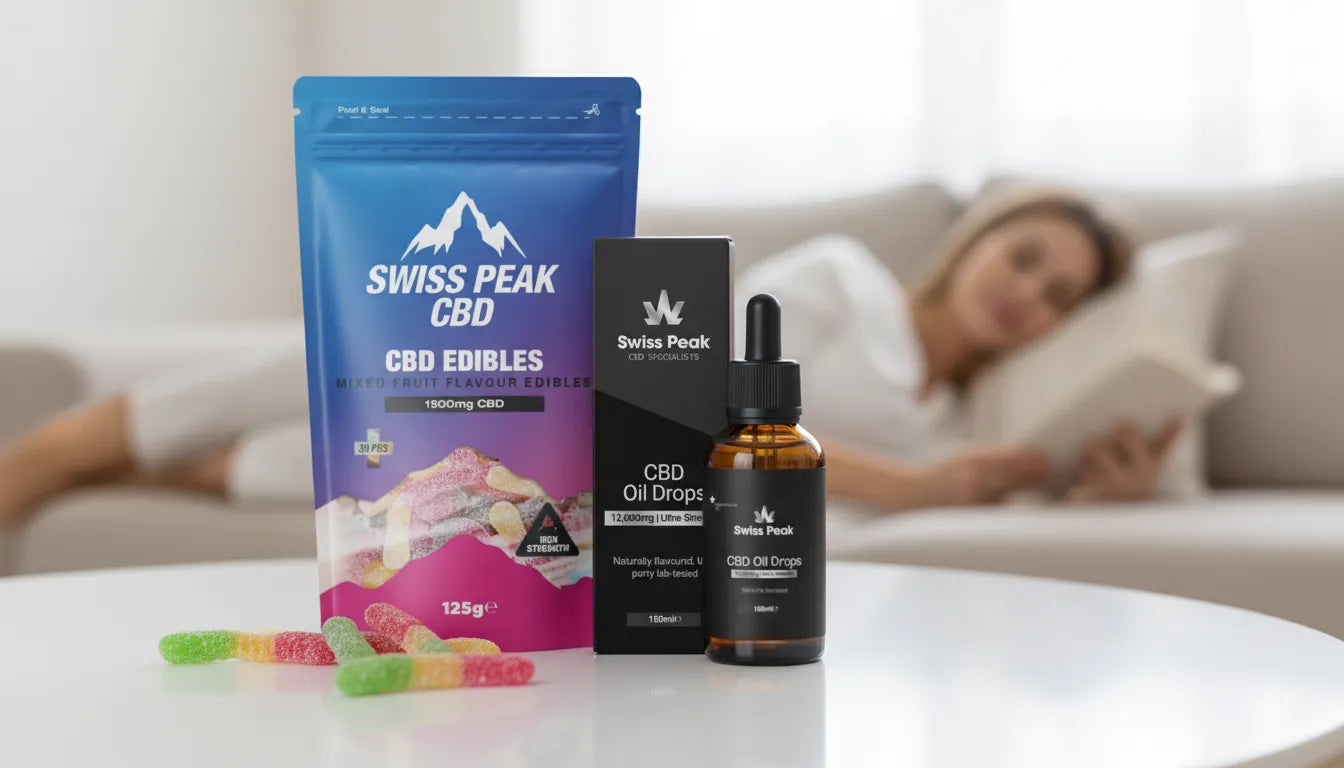
Yes (you can safely combine CBD and THC), and many medical cannabis products intentionally balance both cannabinoids for enhanced benefits. Effective CBD doses might cost $30-100+ daily — while equivalent THC relief could cost $10-30, depending on condition and tolerance. Employment drug testing creates practical limitations on THC use since standard tests detect THC metabolites for weeks after consumption in regular users.
This is one of the key ideas that clarifies the reasons behind the varying experiences of different cannabis products.
